Sunday, 22 February 2015

Why You Don’t Have To Work Out Daily

 For a long period of time I started my day off 1 hour earlier than I needed too.
My alarm would go off at 6am with the notification “Get up and train!”. Slowly, I would roll out of bed and proceed to put my sport gear on for my morning run. Most of the time it was still dark outside.
Feeling like a character out of The Walking Dead, I would make my way to the front door, put my headphone buds in my ear and turn Till I Collapse from Eminem on. 
The first few meters of the run were always the worst, as my legs were stiff and I had to get used to the ice-cold air blowing against my face. Looking back at those days, I don’t know why I did the daily running. Was it for the cardio, the fat loss or just general health? All I know is that it was a pain in the ass. Only now do I realize however, that it wasn’t worth it as far as health and longevity are concerned. 
Don’t get me wrong, that doesn’t mean you should move less, quite the opposite actually. You should be moving more, and running can definitely be a great addition to your health and longevity protocol.
All I’m saying is that you shouldn’t over do it! Many people will sacrifice sleep and time spent with their families just to get another workout in.
There is a time and place for workouts, but they shouldn’t interfere with other important activities that are equally essential for your health (sleep, social interactions with friends and family). Just make sure you’re leading a balanced lifestyle.
Many people would benefit a lot from skipping a night out with their friends and instead doing a workout in the gym. Others however, spend enough (maybe even too much) time training, and would benefit by letting loose and going out every once in a while. The key is to lead a balanced life, as this is the healthiest for you and the people around you.
On top of leading a balanced life, you should tailor your training towards your goals. When I was doing my morning runs, my goal was in fact gaining muscle. To accommodate that goal I would have been better of sprinting 1-2 per week. Not only would this have been more effective at helping me reach my goal, it would’ve given me more time to sleep or work!

Tailor Your Training Towards Your Goals.
The intensity and frequency of your training solely depends on your goals and what your body is capable of. For some reason, workout regimens for the average Joe have turned into a monumental schedule similar to that of a professional athlete.
However, that in itself isn’t the problem. Depending on what your goals are, you might have to train twice a day, five days a week. When I was getting ready for my amateur kickboxing fight, I was training hard throughout the entire week, taking one to two days off.
At the moment I’m only training a couple of days per week, as I’m doing a lot more “academically-based” work. It always depends on your goals.
Most people want to maintain a healthy body fat percentage, be decently fit and have a reasonable amount of muscle mass. To achieve this, you won’t have to kill yourself in the gym 7 days a week. Instead of harder training, you should focus on working out smarter.
Circuit training, sprinting and heavy compound lifts are just a few ways to get in great workouts. Trust me, if you implement these training methods in your regimen, you physically won’t be able to workout more than of 4 days a week. But more on exercise later.

Overtraining.    Recovery is underestimated. As far as exercise goes, the world we live in is rather black and white. Either you’re not exercising (enough), or you’re overdoing it. There are few in between who are doing it just right.
The best workout regimen will vary greatly depending on what your goals are. Full time athletes will do different training, at different intensities and in different amounts compared to an entrepreneur who’s goal is to maintain his or her health. Thus, it is crucial that you clearly define what you want to achieve with your physical exercise and build on that.
An athlete’s body will be more capable of enduring all the training, as their body has gotten used to it and they have more time to recover. If you haven’t done exercise since high school, it would be a good idea to start slowly. Otherwise, the chances of getting injured are significantly higher.

How To Tell If You’re Overtraining.

Fortunately, there are various ways to tell if you’re over trained. Common symptoms include chronic fatigue, poor sleep quality, chronically elevated heart rate and loss in appetite. For me, monitoring my heart rate variability and analysing my sleep have been the most reliable ways of gauging my body’s physical state.

1. Heart rate variability app.   Heart rate variability refers to the time change between each individual heartbeat. A high heart rate variability (HRV) means that your body is reacting optimally to micro changes in your environment. This “primed” state is where you want your body to be in (unless you’re an athlete 2-3 weeks before competition, however that’s a topic for another day). A low HRV occurs when your body is stressed and doesn’t react optimally to minor changes in your environment.
Thus, monitoring your HRV will help you know if you’re stressed (physically and mentally) or not.
You can monitor your HRV with different devices, but I use the app “HRV4Training”, which gives me reliable information on how intense I should train that day. Using your smartphones camera lens, the app can detect your HRV when you place your finger on it for a minimum of 1 minute.
It’s best to measure your HRV daily and at the same time (preferably in the morning).  Over time, you’ll see what your average HRV is. If your HRV is getting lower, that might be a sign for you to take a day off or train at a lower intensity.

2. Sleep monitor app.  The other self-tracking device I use to gauge my physical state is the “Sleep Cycle” app. I’ve mentioned this phenomenal app in various blog posts, as I couldn’t live without it. It may well be the number one self-tracking app on the market. For only $3, the app analyses your sleep and wakes you up in your lightest sleep phase in a set time frame (e.g. between 6:00-6:30 am). Furthermore, Sleep Cycle shows you a graph from your night of sleep as well as the percentage of quality of that night.

If you monitor your sleep quality over a longer period of time, it will be easier to detect patterns of poor sleep. Using the apps “sleep note” function, you can readily detect the things you do and eat throughout the day that have the largest impact on your sleep quality. If you increase your training intensity and/ or volume and experience a chronic decrease in sleep quality, you may want to think twice about your new training regimen.

Your New Training Schedule.
I’ve said it before and I’ll say it again: I’m not telling you to just exercise less and move as you did before. Movement is paramount to health, longevity, success and overall happiness.
The main problem I see nowadays is that people work at a desk all day and then hit the gym and lift weights. No stretching, no walking, no bodyweight exercises, no foam rolling and no warm up. This lifestyle in which you are sedentary for the majority of your day and then push your body really hard is a recipe for injury and impaired health.

Research has shown that 1-2 hours of physical exercise per day will not undo the damage done by sitting! Fortunately, the issue of sitting too much can be side stepped by setting a few precautions in place.
1.     Set up a standing desk or treadmill desk at home or at your office. This will allow you to spend a lot more time on your feet.
2.     Research has shown that 52 minutes of work followed by 17 minutes of break is the best work schedule. Whether this is your schedule or not, take breaks every 30-60 minutes and wind down. Walk, do bodyweight exercises or stretch.
3.     Do low intensity and low impact movement daily. Go for walks, ride your bike and get out in nature. If you feel like this is time wasted (which it isn’t), listen to informative podcasts and audio books or spend time just thinking.
4.     Install a gym in your office at work or at home. This allows you to spend time otherwise wasted working out. Do a few kettlebell swings, pull-ups, bodyweight squats, curls etc. in your breaks and get your blood circulation going. I’m overcoming my biggest weakness, pull-ups, by doing a couple every time I walk past my pull up bar situated at home.
5.     Spend 5-10 minutes every other day doing self-myofascial release. This is best done by foam rolling as well as tennis- and golf- ball massaging. Increased flexibility and diminished chronic physical pain are just a few benefits of regular self-myofascial release (SMR). The following YouTube links lead to videos showing you how to do SMR properly and specifically to fight the affects of sitting as well as pain reduction techniques.
https://www.youtube.com/watch?v=FSSDLDhbacc
6.     Workout 2-4 days a week. As mentioned earlier, these training sessions should be a mixture of heavy lifting (e.g. deadlifts, squats and rows), circuit training (e.g. rounds of push ups, kettlebell swings, jump squats…) and sprinting. Additionally, I’d recommend you do physical activities you actually enjoy doing. For me this would be martial arts training and light running. Other people enjoy cycling or playing basketball. The point is that you find an activity you enjoy doing to let off some steam. If you haven’t got a sport you like doing, try a martial arts training session. It’s fun, tiring and you’ll learn how to defend yourself.

The 6 principles I outlined above are something I really want you to experiment with. It’s a healthier way to exercise and I find it to better suit most peoples daily schedule.

So give it a shot and report back your experiences in the comments section, I appreciate your feedback!

(picture above: http://www.acefitness.org/acefit/healthy-living-article/60/493/what-does-overtraining-mean/)


Sunday, 8 February 2015

Become A Fat Burning Machine: How Cold Showers, Green Tea, Chilli And Protein Burn Fat

(www.spiritvoyage.com)


This theory is fraud for numerous reasons. One of them being that certain foods and drinks have thermo genic properties – they essentially help our body burn fat.

What Is Thermogenesis?
The term “thermogenesis” refers to the production of heat in the body.
We have two different types of thermogenesis: shivering and non-shivering.

Shivering thermogenesis occurs involuntarily in order to increase your body temperature. Every one has experienced shivering thermogenesis when exiting a hot shower and going into a seemingly ice-cold bathroom. This form of heat generation is common in adults yet rare amongst young children. There bodies produce heat by way of non-shivering thermogenesis.

Non-shivering thermogenesis is a more efficient method to generate heat. To understand how non-shivering thermogenesis works, you must be familiar with “brown adipose tissue” (BAT).

BAT And Its Awesome Properties

BAT (Brown Adipose Tissue) is a “good” fat in our body. We used to think that only babies have BAT, yet recent research has shown, that adults do maintain levels of BAT throughout their life as well.
Contrary to WAT (White Adipose Tissue), which is the “bad” and visible fat, BAT is something you can’t see by looking at someone, as it’s only present in small amounts. You’ll want highly active BAT, as is produces heat by consuming calories and thus goes to your fat and eaten food for those calories.

However, the problem is that we haven’t got much BAT and the BAT that we do have, decreases as we get older.

The Potential Of Thermogenesis

Imagine if you could burn fat just by drinking certain beverages, eating certain foods and surrounding yourself with certain temperatures. How awesome would that be? Fortunately, all you have to do is follow the guidelines in this blog post and you’ll be off to a great start.
Let’s begin with the most common thermogenesis inducer. 

Cold showers.  Exposing your body to cold temperatures – whether it be through ice, water or air, is a popular and effective way to induce thermogenesis. By exposing your body to cold temperatures, it creates heat to remain in a state of homeostasis. The energy needed to create heat comes from shivering and/or BAT activation. Either way, you’re burning calories.
    
     And guess what? Thermogenesis is just one of many benefits you can reap by exposing your body to cold. An immune system boost, enhanced recovery and a higher metabolism are a few additional perks to cold exposure.

     My preferred method of cold exposure is through cold showers, as they can be done by anyone, anywhere. Whenever I take a shower (post workout or in the morning), I turn the shower as cold as it goes and keep it like that for a few minutes. Then I’ll alternate between hot and ice cold water in order to get blood circulation benefits.

But temperature isn’t the only way you can induce thermogenesis. It has been shown that green tea, chilli and protein, amongst other foods and beverages, are also useful.
The method by which all of them generate heat is called diet-induced thermogenesis (DIT).
Diet induced thermogenesis is when some of the calories you consume are used to produce heat. This is done because energy is required to digest and utilize food, which generates heat. DIT is responsible for roughly 10% of our daily energy expenditure. However, some nutrients have a more profound effect on our thermo genic reaction than others. Let’s take a look at the most popular foods and nutrients you can consume in order to burn more calories.

1.     Protein.  Out of the three macronutrients (protein, fat and carbohydrates), protein has the most thermo genic effect on our body.
According to a study published in the American Journal For Clinical Nutrition, DIT was 17% higher after a protein meal than after a fat or carbohydrate meal. In addition to proteins thermo genic properties, it’s also known for it’s satiating property, which further increases the benefit of eating protein as part of a weight loss diet.

2.   Green Tea.  I’m in love with green tea. Whether it’s theanine, EGCG or vitamin
     C: green tea has it all. The tea is also known for it’s astonishing cancer     fighting properties. And as if that weren’t enough, green tea is also a potent thermogenesis inducer.
     Green teas thermo genic properties are likely to come from its caffeine and polyphenol (particularly catechin) content. A synergistic effect between the two nutrients causes a decrease in the inhibition of the noradrenaline and cAMP axis, which in return increases thermogenesis.
     Caffeine hinders the breakdown of cAMP, which leads to an increase of caffeine’s affect in the body. Why? cAMP is a “messenger”; it receives a message from a neurotransmitter or hormone and sends it to the part of the cell where it’s supposed to go. Therefore, if cAMP isn’t broken down, it “sends more of the message of caffeine” throughout the body.
     Caffeine’s effect promotes the secretion of noradrenaline (also known as norepinephrine) and epinephrine, which leads to an increase in the ‘fight or flight’ behaviour. This, in turn results in an increased heart rate and increased blood circulation for example. 

     The presence of norepinephrine is enhanced through the polyphenol catechin, which inhibits a norepinephrine-degrading enzyme. Thus, norepinephrine is increased even further (hence the synergistic effect between caffeine and catechin). A study published in The Journal Of Nutrition showed that people who consumed catechins had increased weight loss compared to a group that didn’t consume the polyphenols. Catechin seems to promote thermogenesis with and without the caffeine, making catechin supplements a viable option.
     The fat burning benefits of green tea only become evident when you’re drinking around 2-4 cups per day, so load up!

3.     MCT Oil And Chilly.  I know what you’re thinking. Why on earth would   someone eat MCT oil and chilly together? Good question. While I would never try that bizarre combination for taste, I can see myself consuming MCT oil and chilly in one sitting in order to induce thermogenesis in my body.
A study showed that the MCT-chilly combo increases DIT by 50% when added to a meal. Capsaicin, a compound found in chilly, is held responsible for the thermo genic effect. MCT oil is a derivative of coconut oil, and is known for it’s energy boosting and weight loss properties.
I haven’t tried this combination out, but the science shows that MCT oil and chilly may be one of the most potent thermogenesis inducers out there.

           
References:

Saturday, 24 January 2015

The Definitive Guide To Eating Heathy On A Budget


(Source: http://www.thedailysheeple.com/the-good-the-bad-and-the-deadly-ewg-releases-2014-dirty-dozen-and-clean-fifteen-lists_042014)

We have thousands of excuses as to why we’re not eating healthy. “I can’t cook”, “There’s no healthy food at work” and “I haven’t got the time to prepare all the meals” are the most common ones.
The excuse “I haven’t got enough money to eat healthy” seems valid at first glance. A 250-gram bag of chia seeds from Whole Foods will be more expensive than a 500-gram bag of peanut M&Ms.
A grass-fed steak with sweet potatoes and broccoli will be more expensive then a dinner at McDonalds.

Bulking technique:

If you shop wisely, a free-range egg omelette with a side of butter-drenched spinach will be cheaper than a lunch at Subways. Why?
The answer is simple: buy in bulk.
I always have dozens of free-range eggs in my house, large bags of frozen veggies and berries and kilograms of oats. In order to cut the price off of your food, you need to shop at larger supermarkets that offer these items in abundant amounts.

As for wild game, try to find a hunter in your area who’ll sell you large amounts of wild game. This will reduce the price off of your meat consumption immensely. I haven’t found a hunter yet, so until then I’ll be eating free-range eggs, quality meat and fish caught in a sustainable manner.

Remember, eating high quality animal products is not only about being good to ourselves; it’s about supporting farmers who treat their animals humanely. But that’s a topic for another day.

Organic versus Conventional, The “Dirty Dozen Plus” and “The Clean Fifteen” – Buy Wisely


Now that you know the importance of buying (some of your) foods in bulk, let’s move on to the organic versus non-organic dispute.
This is a topic of great controversy, so I figured the best way to go about it was to read studies done on this and report back.

Let’s start with meat. Numerous studies have shown, that grass-fed meat has a lower omega 6 to omega 3 fatty acid profile compared to conventionally raised meat. The average person eats a diet high in omega 6’s and low in omega 3’s – this leads to severe inflammation.
Grass-fed meat has often times an omega 6 to omega 3 ratio of 1.5:1, which is ideal for our body. Thus, grass-fed meat helps you set your omega 6:3 ratio back to normal.
Furthermore, grass-fed meat and dairy have significantly higher levels of CLA (conjugated linoleic acid) compared to grain-fed dairy and meat. CLA has numerous benefits in the human body, one of them being its cancer fighting properties.
When examined for vitamin and mineral levels, grass-fed meat ruled over grain-fed meat once more: substantially higher levels of a variety of nutrients, including vitamin E and beta-carotene were found.

How does organic produce differ to non-organic produce? To quote the USDA: “Organic is a labeling term that indicates that the food or other agricultural product has been produced through approved methods. These methods integrate cultural, biological, and mechanical practices that foster cycling of resources, promote ecological balance, and conserve biodiversity. Synthetic fertilizers, sewage sludge, irradiation, and genetic engineering may not be used.”

In addition to the above stated organic criteria, studies have shown that organic produce contains more nutrients than non-organic produce, although this may be debatable.
That being said, organic produce tends to be more expensive than it’s respective conventional counterpart. If you were on a budget, I’d strongly recommend you follow the “Clean Fifteen” and “Dirty Dozen Plus” lists.

 (Source: http://www.thedailysheeple.com/the-good-the-bad-and-the-deadly-ewg-releases-2014-dirty-dozen-and-clean-fifteen-lists_042014)

Every year two lists are released. The “Clean Fifteen” contains the 15 most pesticide free fruit and vegetables, whereas the “Dirty Dozen Plus” informs us about the 14 most pesticide contaminated fruit and vegetables.

So, if you can’t or don’t want to buy exclusively organic produce, focus on buying the fruits and vegetables mentioned in the “Dirty Dozen Plus” organic.
As for food in the “Clean Fifteen”, you’ll be safe buying them conventionally as well.
(INSERT PICTURE HERE)


Buy seasonally

Buy your produce seasonally. Not only does this save you money, it’s also better for your health and the environment.
Depending on where you live, some foods won’t be local as they’re grown in a different climate to yours (you won’t find German bananas). These foods can also be eaten, yet keep in mind where they came from and how long it took for them to arrive in the supermarket. All these factors can have profound effects on the level of pesticide contamination as well as the nutrient density.

Be adaptable: if you live in a cooler climate, eat copious amounts of fresh berries in summer and eat oranges in winter. If you’re in South East Asia, tropical fruit and vegetables will be available to you for the entire year.  
But remember, you can also buy frozen produce throughout the year, this will drop the price and raise the nutrient level (flash frozen produce contain more nutrients oftentimes).

Aim For The Bits Of Meat Most People Don’t Want

Unfortunately, due to our spoilt modern attitude, we throw away perfectly edible pieces of meat because they’re harder to eat or aren’t as aesthetically pleasing as others.
Typically, these cuts contain more bone and cartilage and require more time to eat than a perfectly cut chicken breast.
Due to the low demand for these cuts, they’re usually cheaper than the popular ones. Buying them can therefore be a relief for your wallet and the bones and cartilage give you soup material.

Choose your food wisely

The health and fitness industry has skyrocketed in the past few years. You’ve probably noticed countless aisles in your supermarket filled with gluten-free items, “superfoods” such as Goji berries, and all natural food bars, to name a few.
Some of these foods are a scam (magic diet pills for example), whilst others really are good for you (e.g. chia seeds).
If you were on a budget however, I would recommend you avoid these health foods, as they’re usually very expensive.
Stick with the basics: spinach, oats, eggs, bell peppers, frozen berries, butter, olive oil etc., these foods are healthy and they don’t burn a whole in your wallet.

When it comes to costly food bars, you’ll notice that most of them consist of dates and nuts. Thus, buy copious amounts of raw nuts instead and eat them as a snack.


The Three Price Categories Of Food

1.     Cheap food:   
This category contains healthy food at a very low price. Keep in mind that some of the foods mentioned here are not really healthy.

Protein:                         Eggs, plain yogurt, lean conventional meat (I’d stay away from it if at all possible) and beans

Fats:                               Butter, olive oil, nuts, peanut butter, cream and dark chocolate.

Carbohydrate:             Oats, fruit (as listed in fruit category), beans, wholegrain pasta, potatoes, rice and honey

Vegetables:                Spinach, bell peppers, tomatoes etc. Look for nutrient dense                  vegetables (in other words, don’t stock up on cucumbers.) As mentioned earlier, go for frozen options as much as you can.
                                        
Fruits:                            Frozen berries, apples, bananas, grapes etc. Follow the generic principles listed in the non-starchy vegetables category

Supplements:              Whey protein powder, multivitamins

2.     Economical food:

Protein:            Free-range eggs, grass-fed beef, chicken and pork, plain yogurt/ Greek yogurt, lamb, sustainably caught fish, and beans.

Fat:                    Coconut oil, grass-fed butter, olive oil, nuts, nut-butters, avocados, oily fish such as salmon, dark chocolate, chia seeds, flax seeds, and cream.

Carbohydrate: Sweet potatoes, quinoa, amaranth, buckwheat, oats, parsnips, pumpkins,    fruit, rice variations, beans and honey

Vegetables:     Spinach, kale, bell peppers, tomatoes, onions etc. Go crazy here :).                      
 Fruit:               Focus on berries, apples, oranges, pears, lemons etc.

Supplements: Fish oil, whey and hemp protein and multivitamins

3.     Premium food:

Add the following foods to the Economical category if you wish.

Protein:          Wild-caught meat and fish

Fat:                  Bacon from grass-fed pigs

Supplements: powdered greens, grass-fed whey, high quality vitamin and mineral supplements, Onnit products etc.                                        


Is their something you disagreed on or would like to add? Did you like this blog post? Comments are more than WELCOME :D


Friday, 9 January 2015

What You Should Know About Vitamins And Minerals


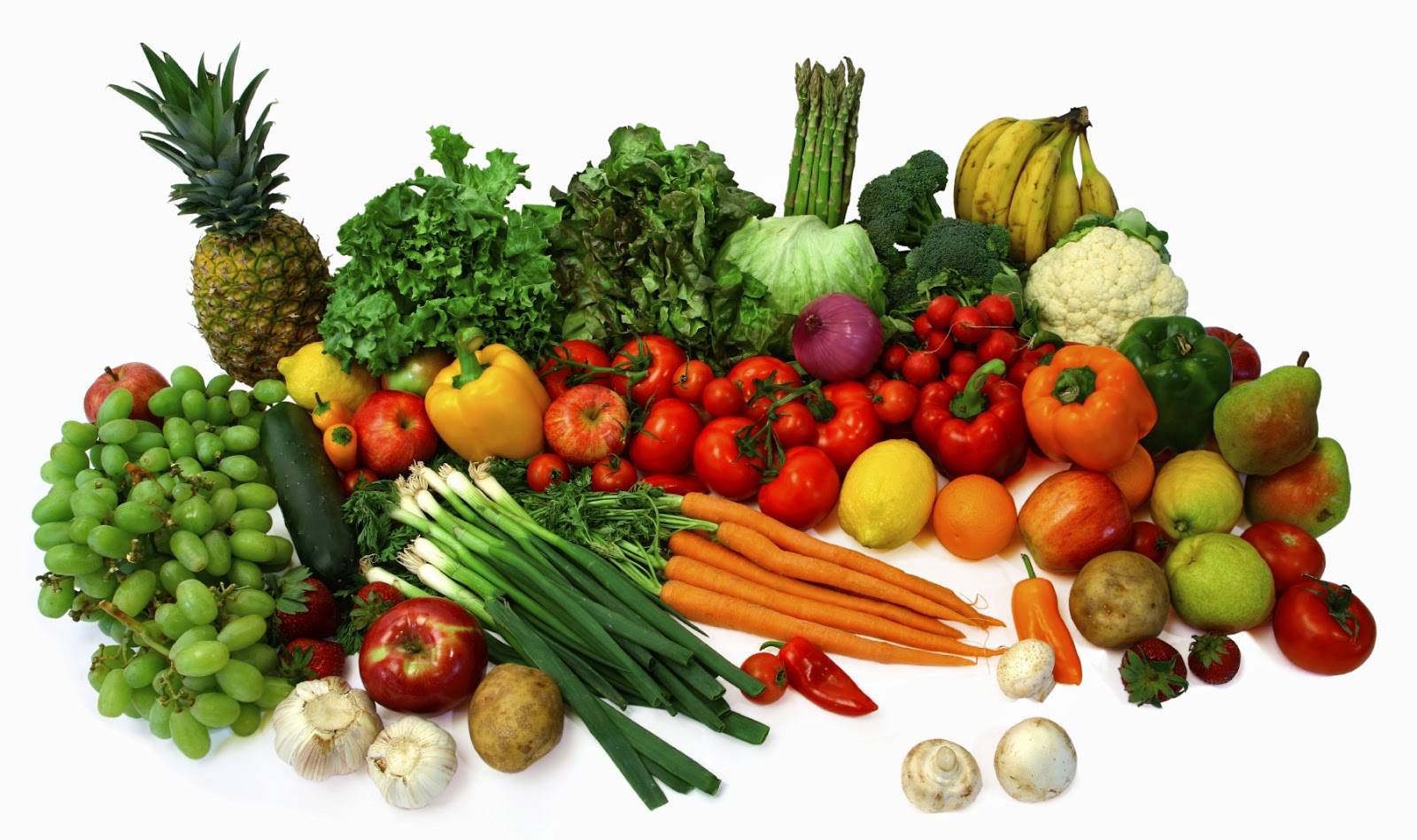
(http://www.bing.com/images/search?q=vegetables%20and%20fruit&qs=n&form=QBIR&pq=vegetables%20and%20fruit&sc=8-18&sp=-1&sk=#view=detail&id=6E4CB507CB44A191C4F98FE65350244D44B39E0D&selectedIndex=3)

Diet & Nutrition is a controversial topic. There are thousands of self-proclaimed health gurus, who all believe to have found the perfect diet. It’s hard for us to know what to do, when there are so many contradicting opinions on this topic.
However, every nutritionist agrees that we must consume vitamins and minerals in great abundance. Since we were children, we’ve been told to eat our fruit and vegetables and make sure that we get enough of each nutrient.

But why do we really need to consume them daily? How does each vitamin and mineral benefit us? We know that we need them, but most of us can’t give an explanation as to why they’re so important. In the following I shall explore the true purpose of vitamins and minerals in the body, the consequences of deficiencies and how optimal levels of these nutrients help prevent diseases.

Vitamins and Minerals


Vitamins can be categorized into fat-soluble (Vitamin D, A, E, K) and water-soluble vitamins (Vitamins B, C). Some vitamins can be distinguished further: the term Vitamin B includes Vitamins B1, B2, B3, B6, B12 and more.
Each vitamin has its vital role in the body. Vitamin A for example, is crucial for healthy bones, teeth, eyes and skin. Folate (a B-vitamin) plays a key role in the methylation of DNA.

We need the minerals magnesium, calcium, phosphorus, potassium, sodium and chloride. In addition to that our body requires trace minerals such as selenium, manganese and chromium. 
Just like vitamins, minerals have their different jobs in our body.
Magnesium for example, is needed to defuse the tension between our muscle fibers actin and myosin. Another property of magnesium is that it lowers our blood pressure.
The trace mineral selenium is said to be important for sperm production in men. Studies show that selenium, along with vitamin E, works like a charm in making infertile men fertile.


Deficiency. What would happen if your body would be lacking these so called “essential” vitamins? Fortunately for us, science has already answered this question.

Vitamin D is the most common and serious vitamin deficiency. Having a hormone-like effect on the body, vitamin D is needed for the proper absorption of magnesium, calcium, iron, zinc and phosphate. Vitamin D has profound effects on the body and is an essential nutrient – yet most people are deficient in it. Although some vitamin D can be found in foods such as eggs and fatty fish, your body relies on the sun to synthesis the vitamin.

Most of us sit in the office all day, meaning that we lack regular exposure to sunlight. The effect on our vitamin D levels is evident: 40-60% of Americans are deficient in this vitamin.

How does this deficiency affect our health and what are the symptoms? Vitamin D deficiency induced diseases such as rickets and osteomalacia have become uncommon in the US thanks to the fortification of some foods with vitamin D. But many people are still deficient: weaker symptoms include bone and muscle pain. Even if you don’t have these symptoms, you may still be deficient. There are many diseases that are associated with vitamin D deficiency, including obesity, certain types of cancer, gout, autoimmune diseases and Alzheimer’s disease.
So, make sure you get enough sun throughout the day or supplement with vitamin D if you don’t.

Another example would be folate: a deficiency in this vitamin is associated with an increased risk of developing lung, brain and breast cancer. Therefore, eating foods high in folate should be one of many precautions you take towards cancer. Foods high in folate include green leafy vegetables, beans and lentils.

Disease prevention. Sadly, most diseases that first world countries suffer from are due to a poor lifestyle. Diabetes, heart disease and even cancer commonly occur in people who eat too much sugar and processed food, sit all day, smoke cigarettes, drink too much alcohol, don’t sleep enough etc. 
So, in order to remain disease free, one has to abstain from the poor lifestyle choices I just mentioned? Unfortunately, it’s not that simple.
This goes for both vitamins and minerals: certain deficiencies can lead to an increase in risk for certain diseases.
Vitamin B12 deficiency is very common amongst vegans and sometimes also in vegetarians. The vitamin is readily available in meats, dairy products, fish and organ meats. It is critical for the formation of red blood cells and is needed for the formation of DNA. Another function of B12 is it’s metabolizing effects on homocysteine. High homocysteine levels are associated with coronary heart disease, so, contrary to popular belief, eating animal meat could have lowering effects on your risk for heart disease.

If you’re a vegan you must take a vitamin B12 supplement. Otherwise you’re bound to be deficient at some point (your body stores B12 in the liver and it takes 2-3 years until those storages are depleted).
Symptoms a deficient individual might experience include pale skin, a high heart rate, increased bruising and diarrhea.

Optimal levels. Having optimal levels of all vitamins and minerals is a prerequisite for leading an energetic, disease- and symptom- free life.
Instead of blaming the lack of nutrients and a poor lifestyle for the ever-growing rates of cancer, Alzheimer’s etc. most people believe that it’s a natural part of life.

Many diseases are a direct result of a poor lifestyle (e.g. lung cancer, diabetes and heart disease) and some can be cured when one makes the right choices (e.g. MS and arthritis).
Make the right choices in your life; you owe it to yourself and to the people around you.

Thursday, 1 January 2015

Tip For The Year: Invest Rather Than Spend


First of all, Happy New Year! Let’s make 2015 better than all of our previous years. Whilst most of us are nursing hangovers, I’d like to kick this year off by giving you a tip that has changed my productivity and success tremendously. I guarantee you that it will evoke greater action and thus greater success in you.

"Invest rather than spend" is the principle that I'm referring to. At first glance, you might think that I’m talking about investing money rather then spending it. Granted, that’s part of the meaning behind the saying, but there’s more to it.

Money isn’t the only thing you can invest: time is another resource which one can invest into something, or spend doing something.
The beauty of time compared to money is that everyone has the same 24 hours. It’s up to you what you’ll do with them.

I’d like to introduce you to the Stoic and Epicurean school of thought.
Epicureans believe that happiness can be achieved by omitting oneself from hard work, great achievement and pain. They emphasize current pleasure and spending time with friends and family.
The Stoics adhered to a different mind-set: they endured pain and adversity and strived to cultivate their minds as well as their bodies. Stoics, compared to Epicureans, sidestep current pleasure in order to reap the rewards later of the work that they put in now.

When it comes to time and money, be a Stoic.
Invest your money into things such as books, seminars and stocks and invest your time into reading, working and exercising for example. That’s not to say that you shouldn’t enjoy short-term pleasure. Watching movies, eating unhealthy food and partying can most definitely be part of a successful life, limitation is the key word here.

So, in the upcoming year I will (and I hope you’ll do so as well) invest more of my time and money into improving myself and helping the people and the nature around me.


Comments are greatly appreciated.